Listen to the Lived Archive!
0:00/1:34
The Lived Archive
The Lived Archive
Community-media
Community-media
Alternative platform
Alternative platform
Participatory Research
Participatory Research
Code
Code
Reflective design
Reflective design
What is the space?
What is the space?
Community-driven Media and Archival Ecologies in Urban Bengaluru
Community-driven Media and Archival
Ecologies in Urban Bengaluru
Community-driven Media and Archival Ecologies in Urban Bengaluru
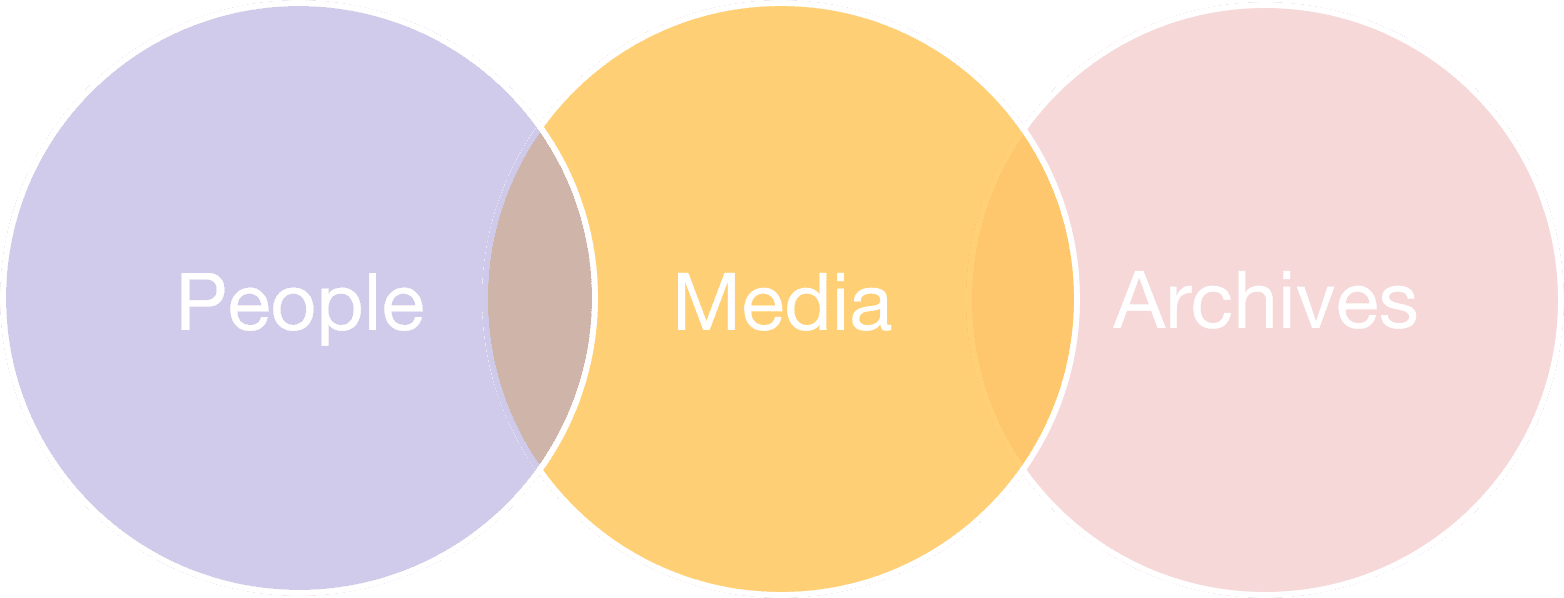
Hover to learn more!
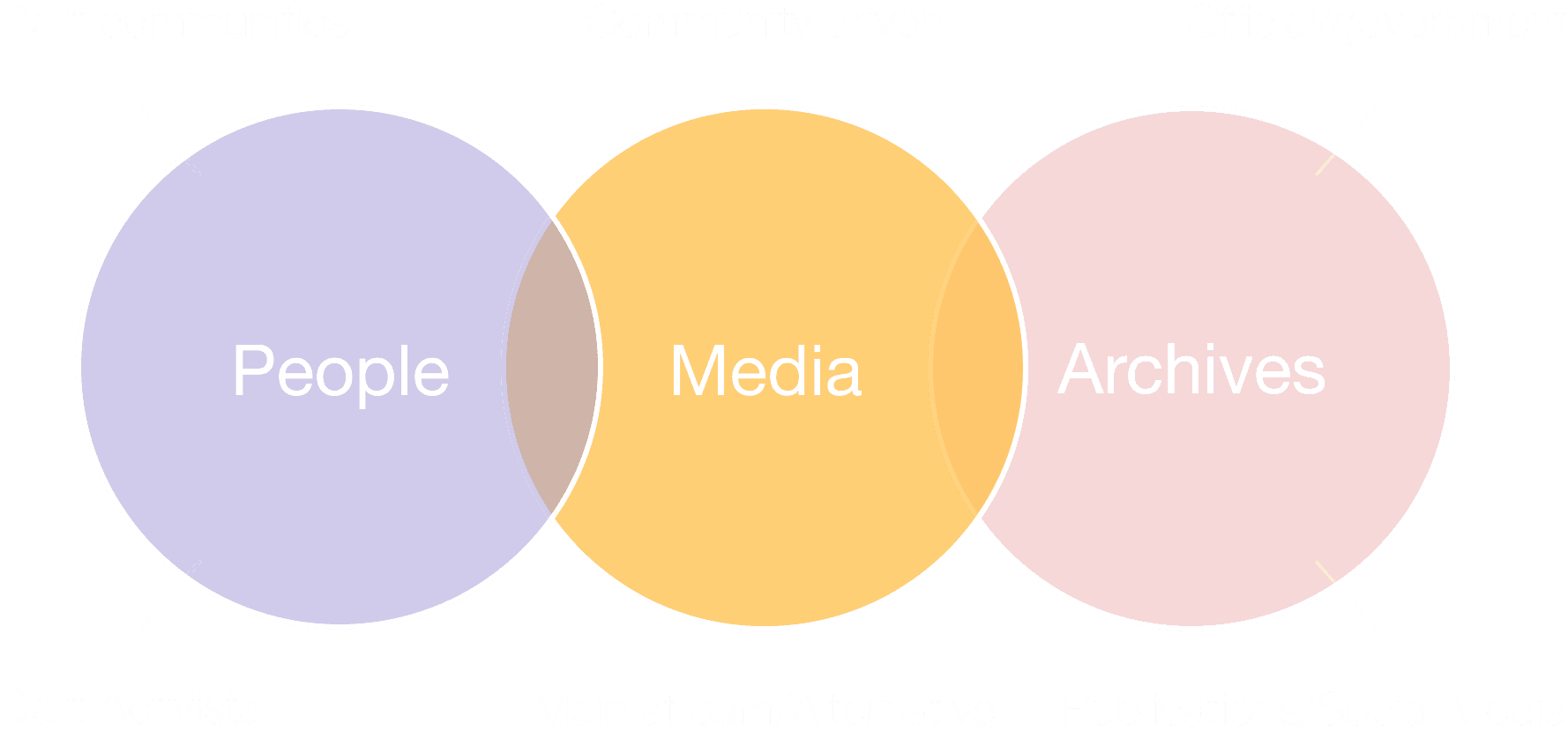
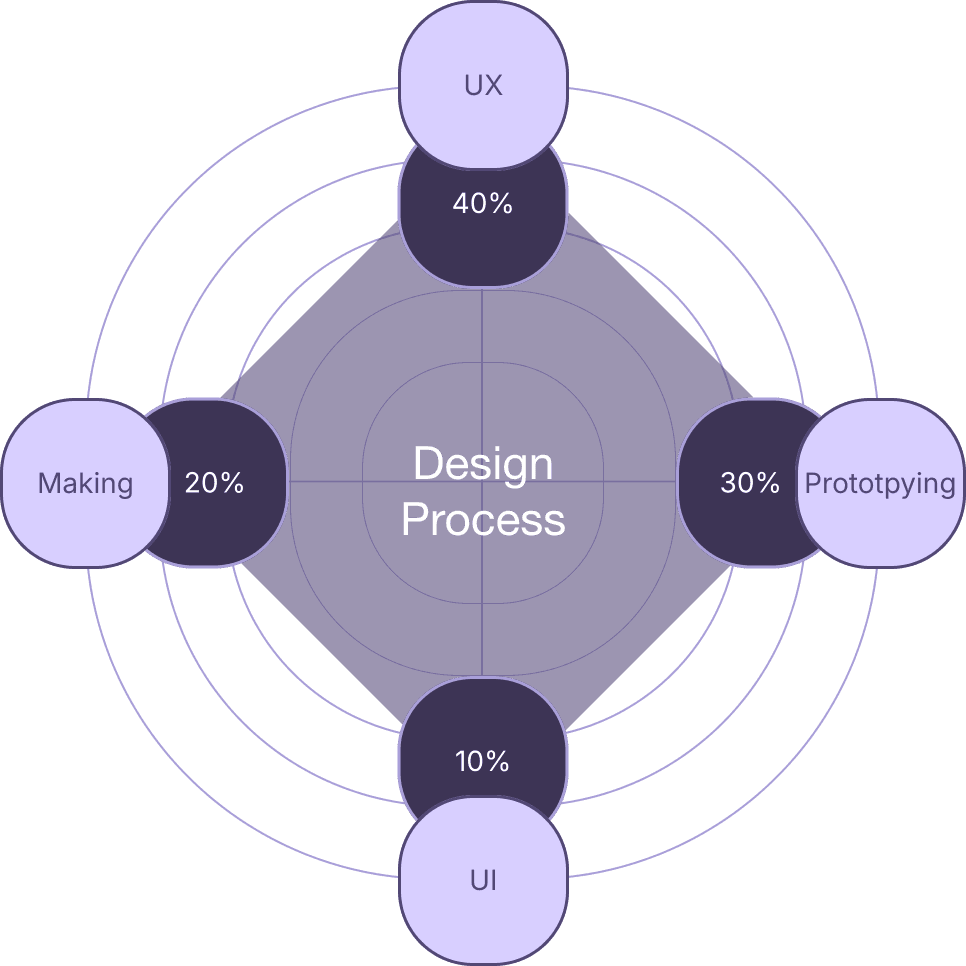
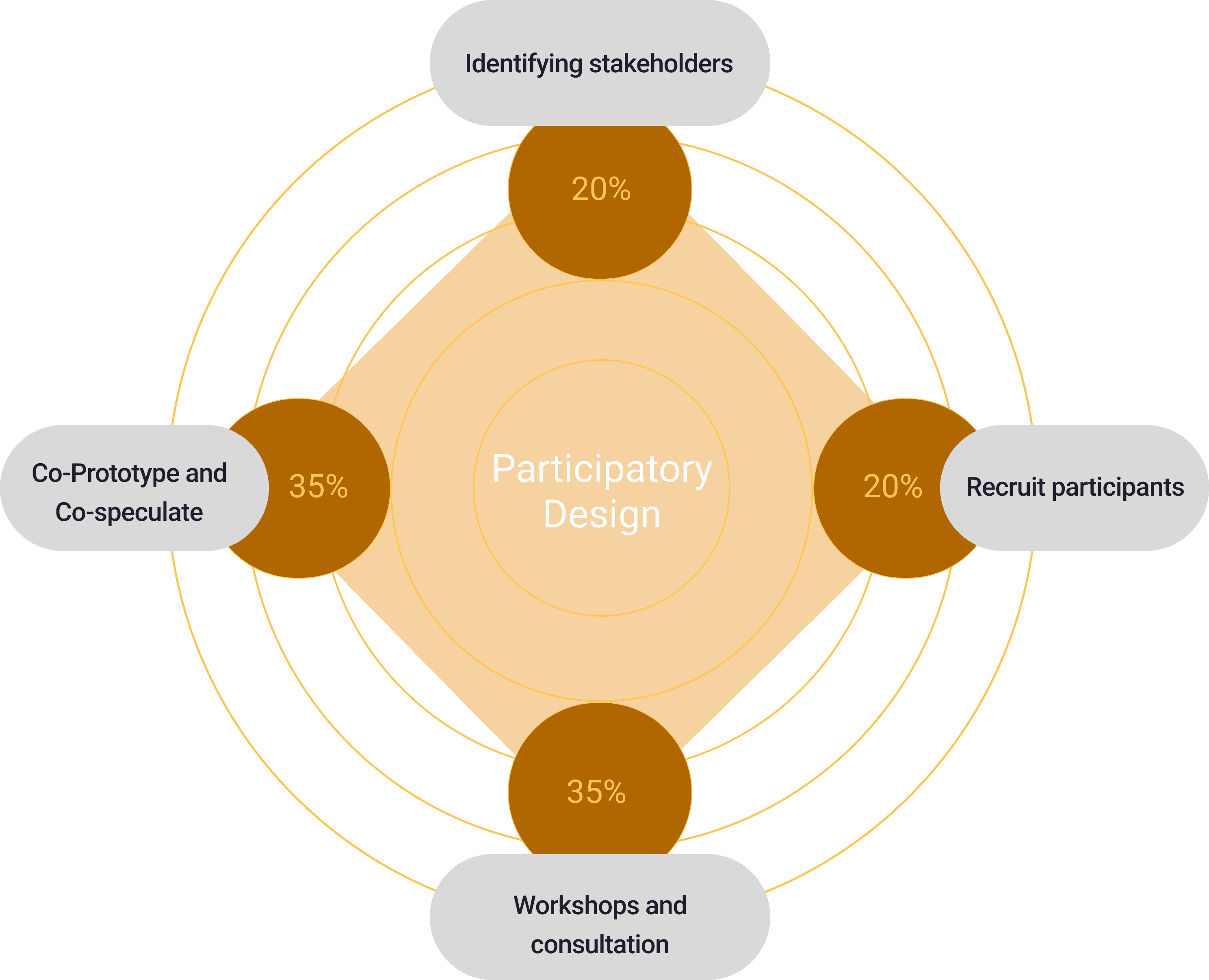
From the HCD process to a participatory approach
From the HCD process to a participatory approach
From the HCD process to a participatory approach
Welcome to the Lived Archive
Welcome to the Lived Archive
Welcome to the Lived Archive
Open in browser
Open in browser
The Oxfam 2018 report, says 88% of leadership positions in Indian media were held by 'upper' castes, none were Dalits. Eight years later, that number is still zero.
The Research Question
The Research Question
The Research Question
How are community-driven media practices in Bengaluru creating forms of archiving, and what challenges and possibilities shape their sense of permanence?
How are community-driven media practices in Bengaluru creating forms of archiving, and what challenges and possibilities shape their sense of permanence?
How are community-driven media practices in Bengaluru creating forms of archiving, and what challenges and possibilities shape their sense of permanence?
How do physical and digital community spaces differ in sustaining narratives over time?
How do physical and digital community spaces differ in sustaining narratives over time?
How do physical and digital community spaces differ in sustaining narratives over time?
To what extent do these practices remain contained within activist circles, and is there a need to expand their reach to wider publics?
To what extent do these practices remain contained within activist circles, and is there a need to expand their reach to wider publics?
To what extent do these practices remain contained within activist circles, and is there a need to expand their reach to wider publics?
What design opportunities are inspired by participatory archiving in contexts with limited resources?
What design opportunities are inspired by participatory archiving in contexts with limited resources?
What design opportunities are inspired by participatory archiving in contexts with limited resources?
Who are the people?
Who are the people?
8
Community interactions
4
Field Experts
5
Community Consultations
Click to know what went into each of them!
Stakeholder Profiles
By consciously renaming user personas to stakeholder profiles, I was able to put the community members at the crux of the process instead of on the other side of the "solution"/project.
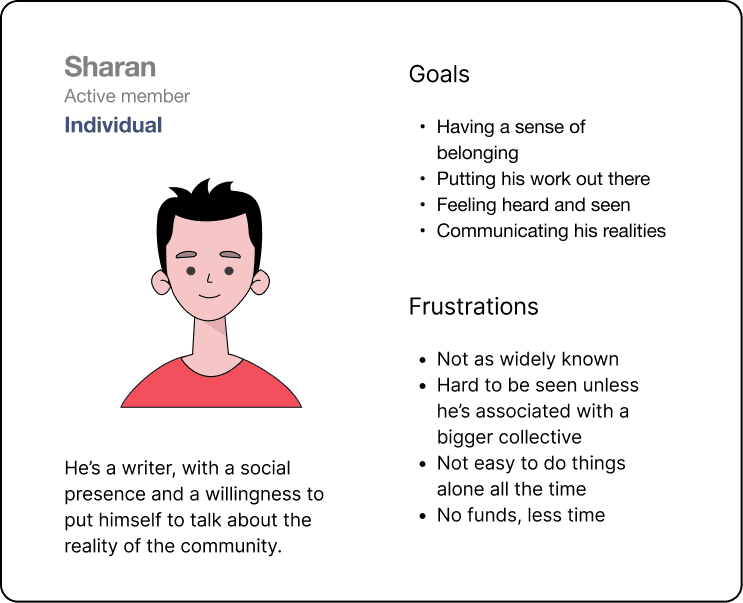
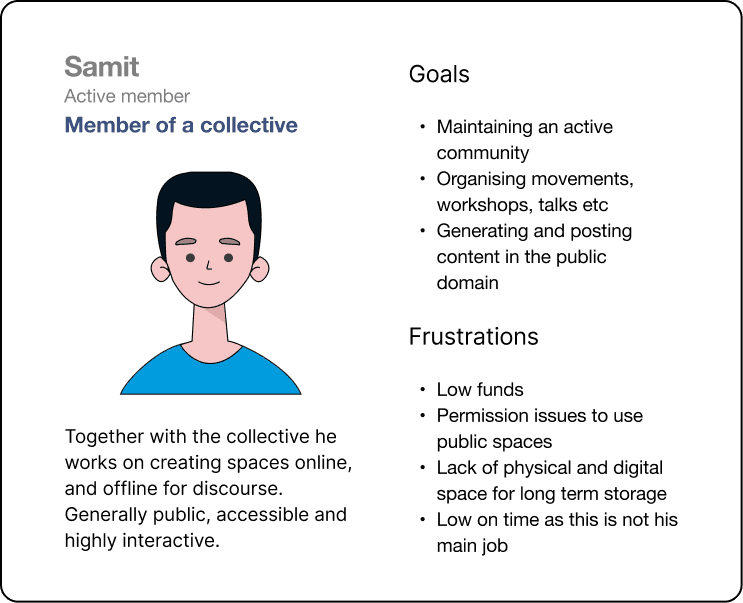
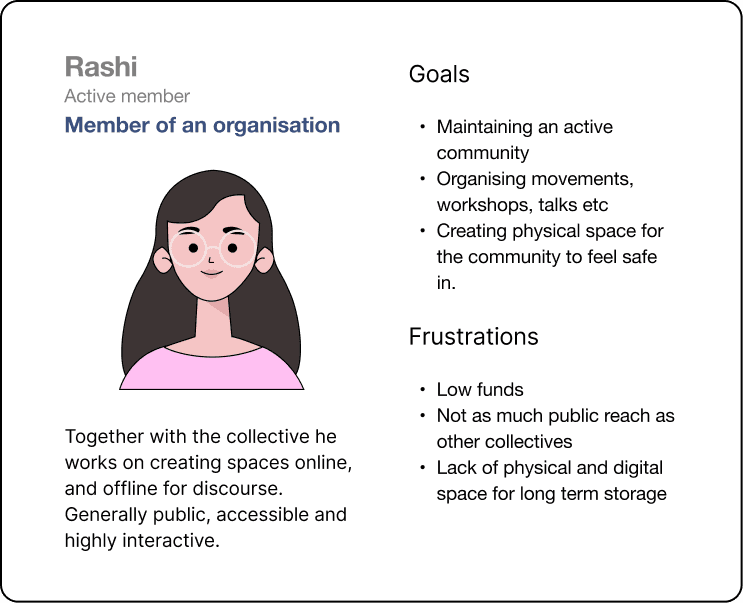
The stakeholders sit in different parts of the ecosystem
The stakeholders sit in different
parts of the ecosystem
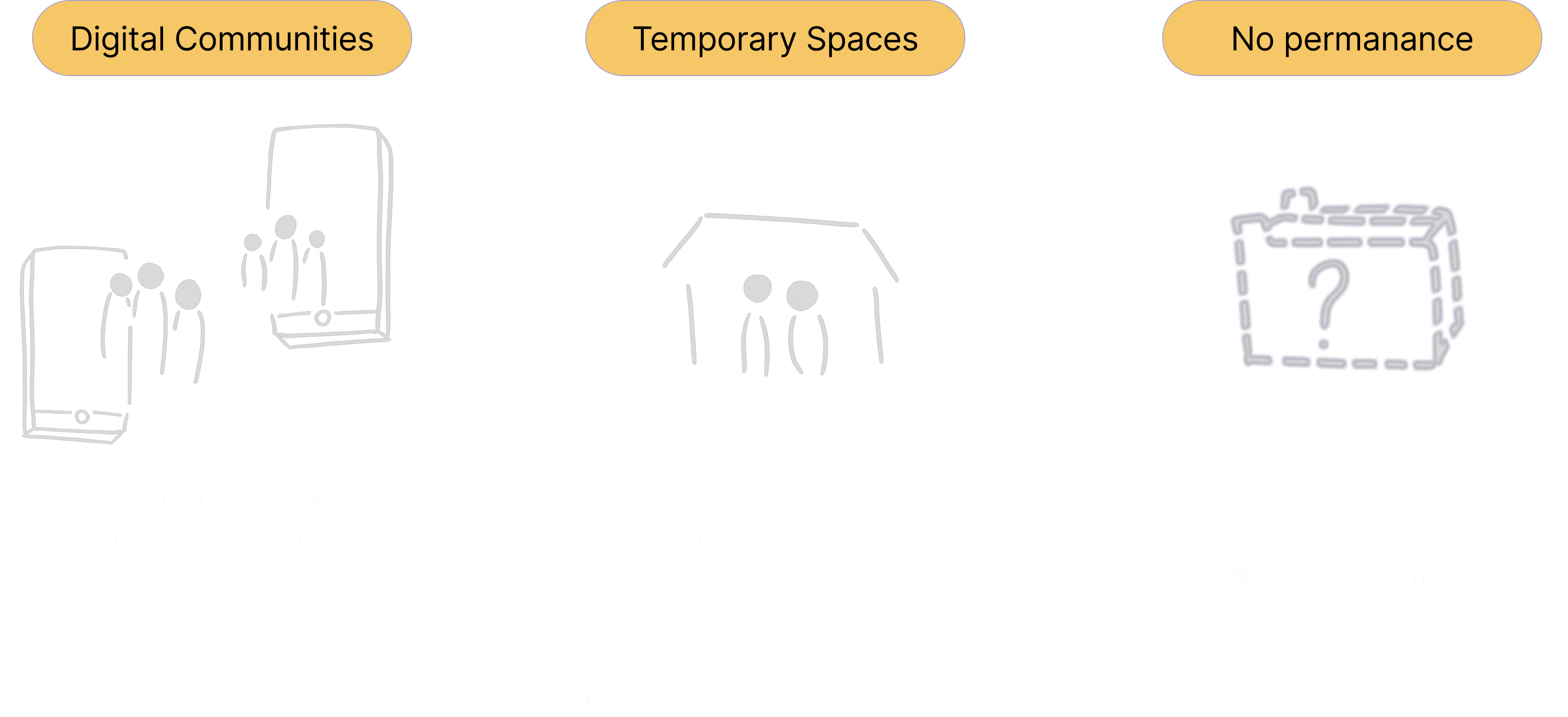
Map on basic information disemination within the community
Map on basic information disemination within the community
and here are the spaces I worked with…
and here are the spaces I worked with…
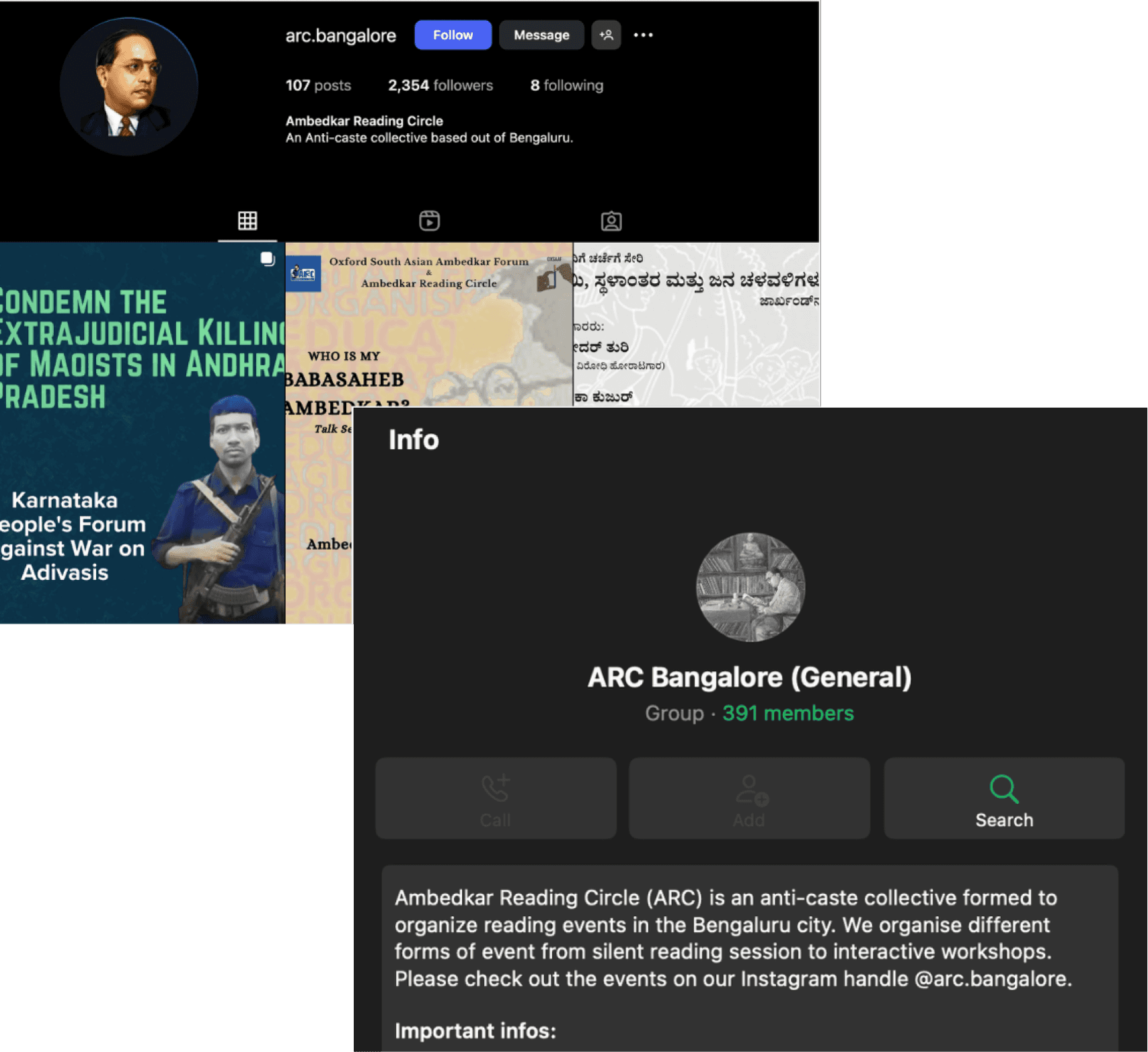
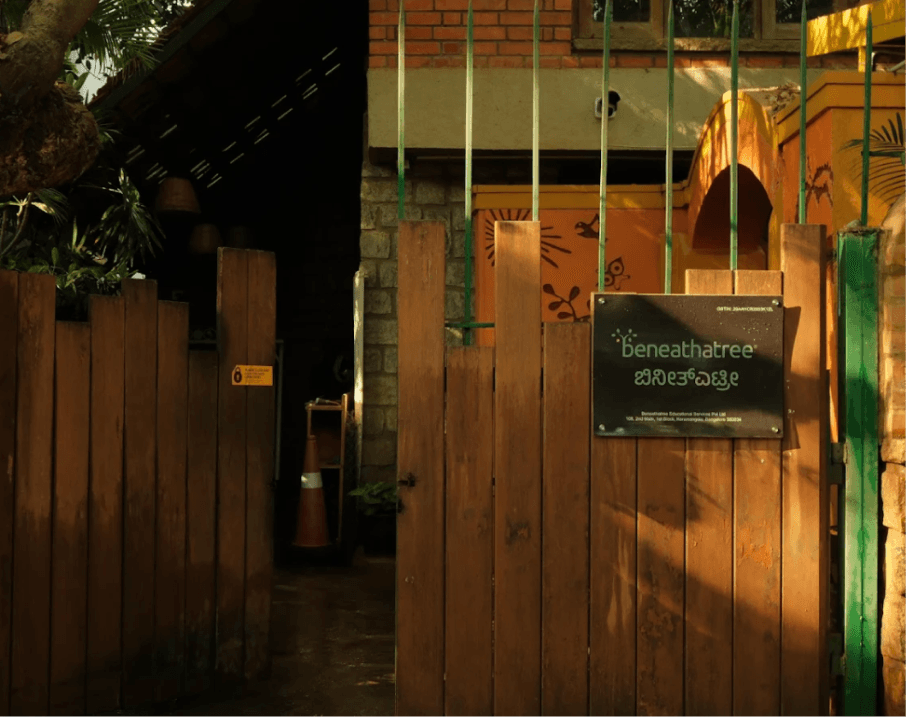
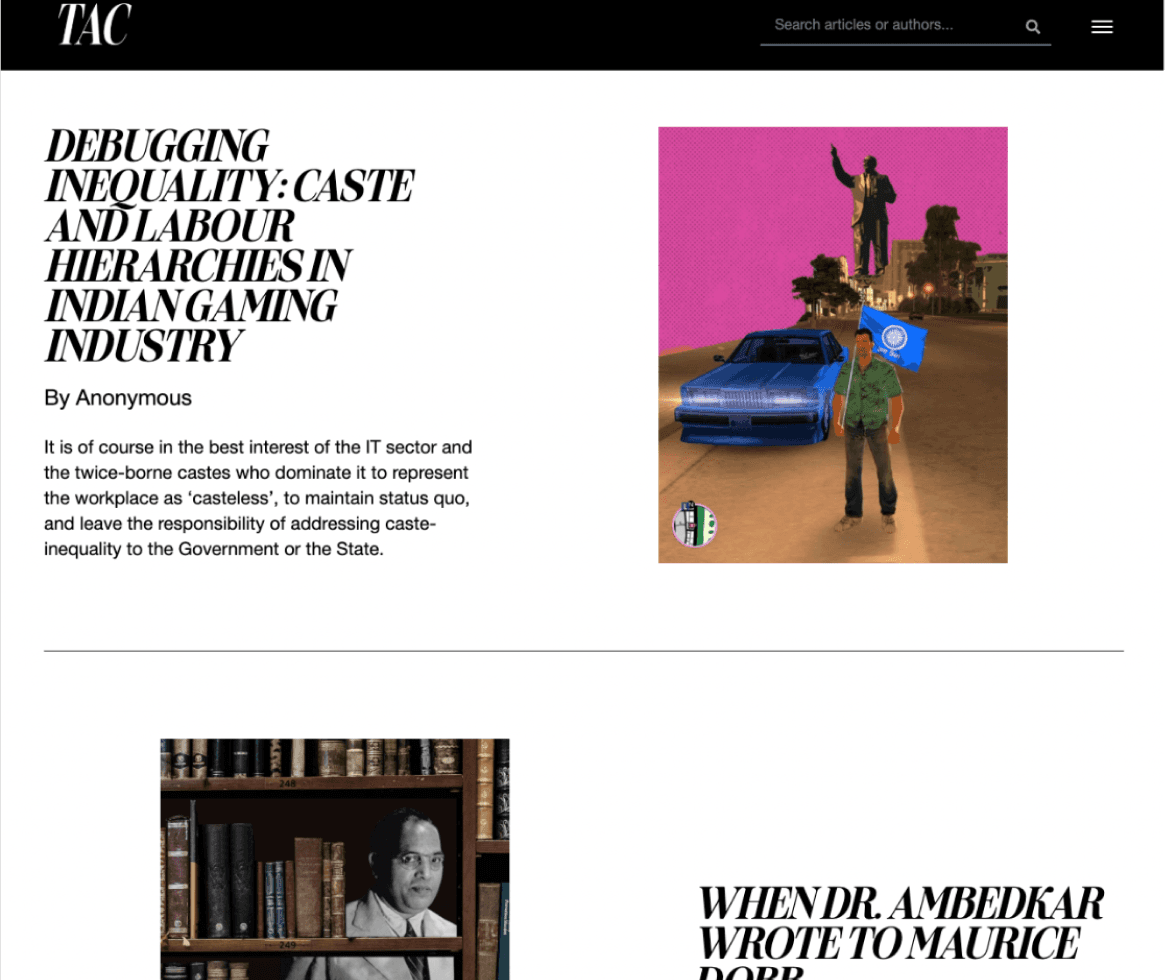
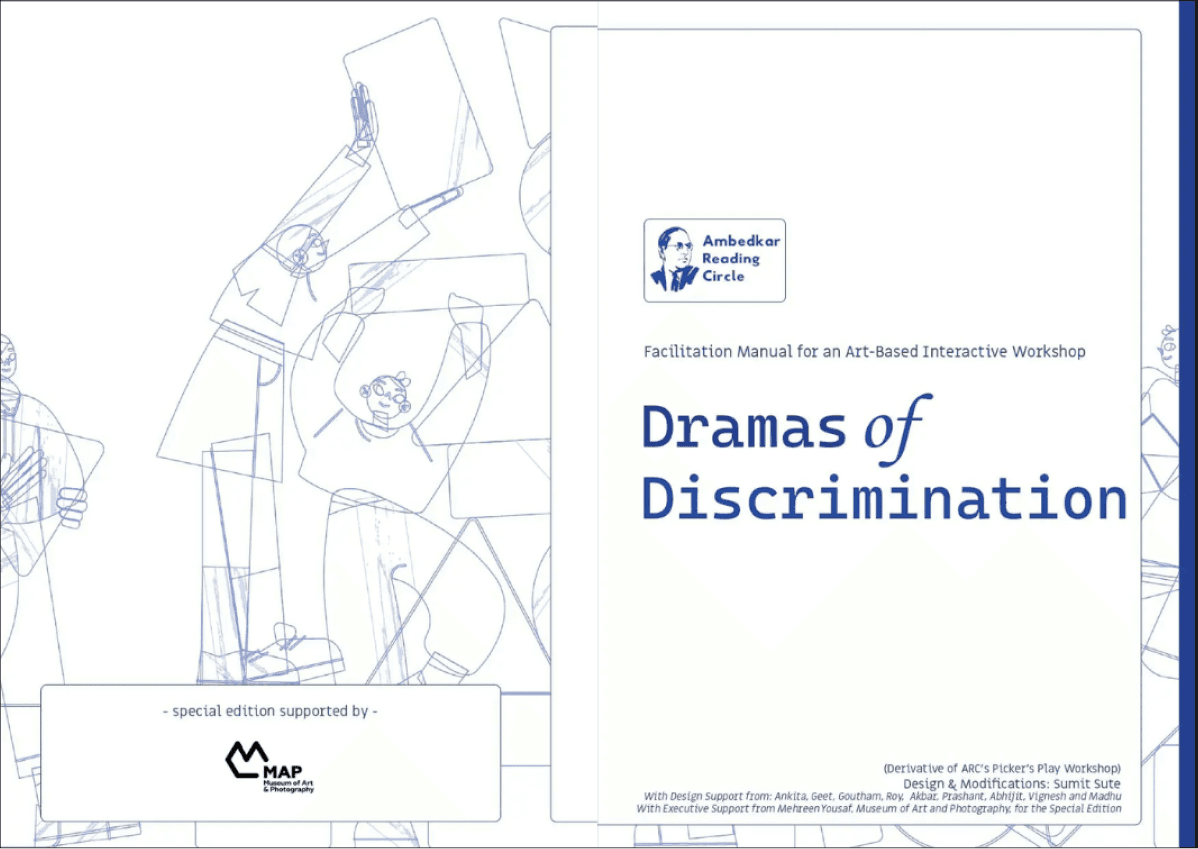
Key Insights
These insights do not speak for an individual, they are a culmination of thoughts that were voiced by various community members, field experts and more during interactions with them.
Creating media, and maintaining these communities is a volunteer job - there is often low to no funding, which means the amount of time dedicated to the work is subjective.
Digital archives/media have a more spanned out life due to the number of people that can access it.
Physical archives/media has a higher sense of permanance since you can never really “delete” every copy of it. However it can be harder to trace over time.
Generating a sense of belonging and shared spaces where Dalit experiences can be spoken about freely is one of the main goals
When content is revolving around lived realities, it becomes easier for people to also see it reflect in their own lives.
A lot of these spaces have several initatives for knowledge sharing - indicating interest in preserving knowledge as well
Creating media, and maintaining these communities is a volunteer job - there is often low to no funding, which means the amount of time dedicated to the work is subjective.
Generating a sense of belonging and shared spaces where Dalit experiences can be spoken about freely is one of the main goals
Digital archives/media have a more spanned out life due to the number of people that can access it.
When content is revolving around lived realities, it becomes easier for people to also see it reflect in their own lives.
Physical archives/media has a higher sense of permanance since you can never really “delete” every copy of it. However it can be harder to trace over time.
A lot of these spaces have several initatives for knowledge sharing - indicating interest in preserving knowledge as well
Understanding the context
Understanding the context
Understanding the context
Media Ecologies
Media Ecologies
Media Ecologies
The urban Indian media space is currently populated by three entities :
The urban Indian media space is currently populated by three entities :
The urban Indian media space is currently populated by three entities :
Main-stream media
Main-stream media
Main-stream media
Alternative media
Alternative media
Alternative media
Community media
Community media
Community media
What is community media?
Community-driven media, which has existed across various locations in different and scattered forms. In Bangalore, one of the most predominant publications in this realm currently is Slum Jaggathu - a Kannada publication that strives to “take the stories as they are”. Issac Selva, the founder of the paper, works with this philosophy; “We try not to change the essence of a story. One of the most visible ways is that we don't even change the specific kannada vernacular that the person narrating the incident is using.”
These distinct ecosystems also highlight the ways in which marginalised voices are stereotyped (having a lack of money, sanitation, housing, water, education etc) in media, and in turn the archives that come from them.
What is community media?
Community-driven media, which has existed across various locations in different and scattered forms. In Bangalore, one of the most predominant publications in this realm currently is Slum Jaggathu - a Kannada publication that strives to “take the stories as they are”. Issac Selva, the founder of the paper, works with this philosophy; “We try not to change the essence of a story. One of the most visible ways is that we don't even change the specific kannada vernacular that the person narrating the incident is using.”
These distinct ecosystems also highlight the ways in which marginalised voices are stereotyped (having a lack of money, sanitation, housing, water, education etc) in media, and in turn the archives that come from them.
What is community media?
Community-driven media, which has existed across various locations in different and scattered forms. In Bangalore, one of the most predominant publications in this realm currently is Slum Jaggathu - a Kannada publication that strives to “take the stories as they are”. Issac Selva, the founder of the paper, works with this philosophy; “We try not to change the essence of a story. One of the most visible ways is that we don't even change the specific kannada vernacular that the person narrating the incident is using.”
These distinct ecosystems also highlight the ways in which marginalised voices are stereotyped (having a lack of money, sanitation, housing, water, education etc) in media, and in turn the archives that come from them.
Learn a new term!
Learn a new term!
Learn a new term!
Repeatedly reinforcing stereotypes that surround marginalised communities and depriving them of a voice raises concerns around “othering”. “Othering” is defined as “the act of treating someone as though they are not part of a group and are different in some way”.
Repeatedly reinforcing stereotypes that surround marginalised communities and depriving them of a voice raises concerns around “othering”. “Othering” is defined as “the act of treating someone as though they are not part of a group and are different in some way”.
Repeatedly reinforcing stereotypes that surround marginalised communities and depriving them of a voice raises concerns around “othering”. “Othering” is defined as “the act of treating someone as though they are not part of a group and are different in some way”.
Community Media
Community Media
Community Media
Social Media:
Algorithmic biases on social media platforms can limit the visibility of marginalized voices, reinforcing existing inequalities. The rise of digital activism is most notable in movements led by women and marginalized communities, where social media has amplified voices that were historically silenced.
Little Magazines:
For example, “Dalit Voice" magazine, founded in 1981, has been a significant platform for Dalit writers, intellectuals, and activists to address issues of caste-based discrimination and oppression.
The rise of technology has offered several ways for communities to document their realities. Video based content allows for those with lesser education to still report their cases like seen in the Dalit Camera and Khabar Lahariya. Similarly, websites like Dalit Dastak provide wider reach, lesser concentrated media consumption, and while they require digital litracy, they help cater to larger audiences via features like auto-translate. On the other hand Slum Jaggathu is a more locally based, physical reportage and publication based media. Both sides have benifits, and more importantly different goals from one another, these goals are also fed by an understanding of their audience and their needs.
Social Media:
Algorithmic biases on social media platforms can limit the visibility of marginalized voices, reinforcing existing inequalities. The rise of digital activism is most notable in movements led by women and marginalized communities, where social media has amplified voices that were historically silenced.
Little Magazines:
For example, “Dalit Voice" magazine, founded in 1981, has been a significant platform for Dalit writers, intellectuals, and activists to address issues of caste-based discrimination and oppression.
The rise of technology has offered several ways for communities to document their realities. Video based content allows for those with lesser education to still report their cases like seen in the Dalit Camera and Khabar Lahariya. Similarly, websites like Dalit Dastak provide wider reach, lesser concentrated media consumption, and while they require digital litracy, they help cater to larger audiences via features like auto-translate. On the other hand Slum Jaggathu is a more locally based, physical reportage and publication based media. Both sides have benifits, and more importantly different goals from one another, these goals are also fed by an understanding of their audience and their needs.
Social Media:
Algorithmic biases on social media platforms can limit the visibility of marginalized voices, reinforcing existing inequalities. The rise of digital activism is most notable in movements led by women and marginalized communities, where social media has amplified voices that were historically silenced.
Little Magazines:
For example, “Dalit Voice" magazine, founded in 1981, has been a significant platform for Dalit writers, intellectuals, and activists to address issues of caste-based discrimination and oppression.
The rise of technology has offered several ways for communities to document their realities. Video based content allows for those with lesser education to still report their cases like seen in the Dalit Camera and Khabar Lahariya. Similarly, websites like Dalit Dastak provide wider reach, lesser concentrated media consumption, and while they require digital litracy, they help cater to larger audiences via features like auto-translate. On the other hand Slum Jaggathu is a more locally based, physical reportage and publication based media. Both sides have benifits, and more importantly different goals from one another, these goals are also fed by an understanding of their audience and their needs.
Archival
Practices
Archival
Practices
Archival
Practices
Archives are the sites where history is written. Archives maintain what is known as “official memory”. And as a historian, it is critical to not just document what exists in the archive, for these archives also serve the statist goal, but what they leave out of them.
Atleast a 20 step process:
Archives are the sites where history is written. Archives maintain what is known as “official memory”. And as a historian, it is critical to not just document what exists in the archive, for these archives also serve the statist goal, but what they leave out of them.
Atleast a 20 step process:
Archives are the sites where history is written. Archives maintain what is known as “official memory”. And as a historian, it is critical to not just document what exists in the archive, for these archives also serve the statist goal, but what they leave out of them.
Atleast a 20 step process:
Sources
Sources
Data Tagging
All primary and secondary data was tagged according to key words. The cross sections discovered via these tags were used to inform themes, and the final design challenge.
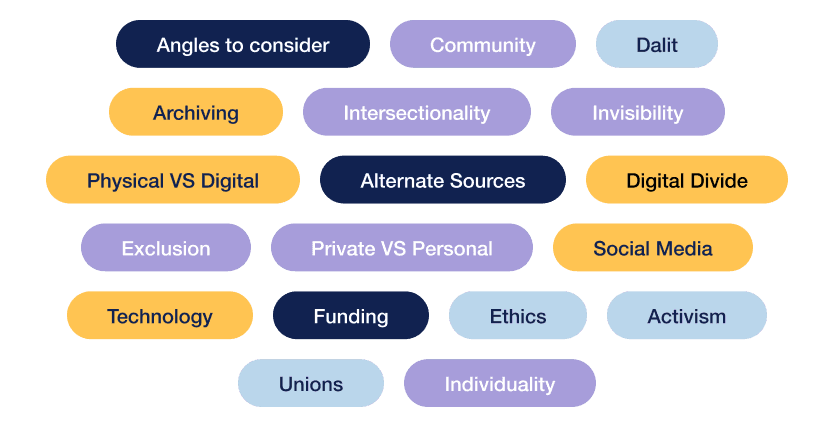
and the ideation that followed…
and the ideation that followed…
and the ideation that followed…
The Final Idea
A archive dedicated to lived reality based archives, with a focus on the people, and less on “requirements”
A archive dedicated to lived reality based archives, with a focus on the people, and less on “requirements”
A simplified, partially automated Artifact Tagging system
A simplified, partially automated Artifact Tagging system
A community/activist base driven review system
A community/activist base driven review system
But I had to remember…
Function > Form
Function > Form
Function > Form
Prototpying and making
Prototpying and making

Coding and creating - Ai tagging, Artifact creations
Community Consultation - Round 1 and 2 | 4 members

Trying out chat interfaces based on consultation
Speculative workshop facilitated for members
Community Consultation - Round 2 | 1 member
Coding and creating - Network Graph, UX, Admin Logic
Coding and creating - Ai tagging, Artifact creations
Community Consultation - Round 1 and 2 | 4 members
Trying out chat interfaces based on consultation
Speculative workshop facilitated for members
Community Consultation - Round 2 | 1 member
Coding and creating - Ai tagging, Artifact creations
Community Consultation - Round 1 and 2 | 4 members
Trying out chat interfaces based on consultation
Speculative workshop facilitated for members
Community Consultation - Round 2 | 1 member
Coding and creating - Network Graph, UX, Admin Logic
Coding and creating - Ai tagging, Artifact creations
Community Consultation - Round 1 and 2 | 4 members
Trying out chat interfaces based on consultation
Speculative workshop facilitated for members
Community Consultation - Round 2 | 1 member
Coding and creating - Network Graph, UX, Admin Logic
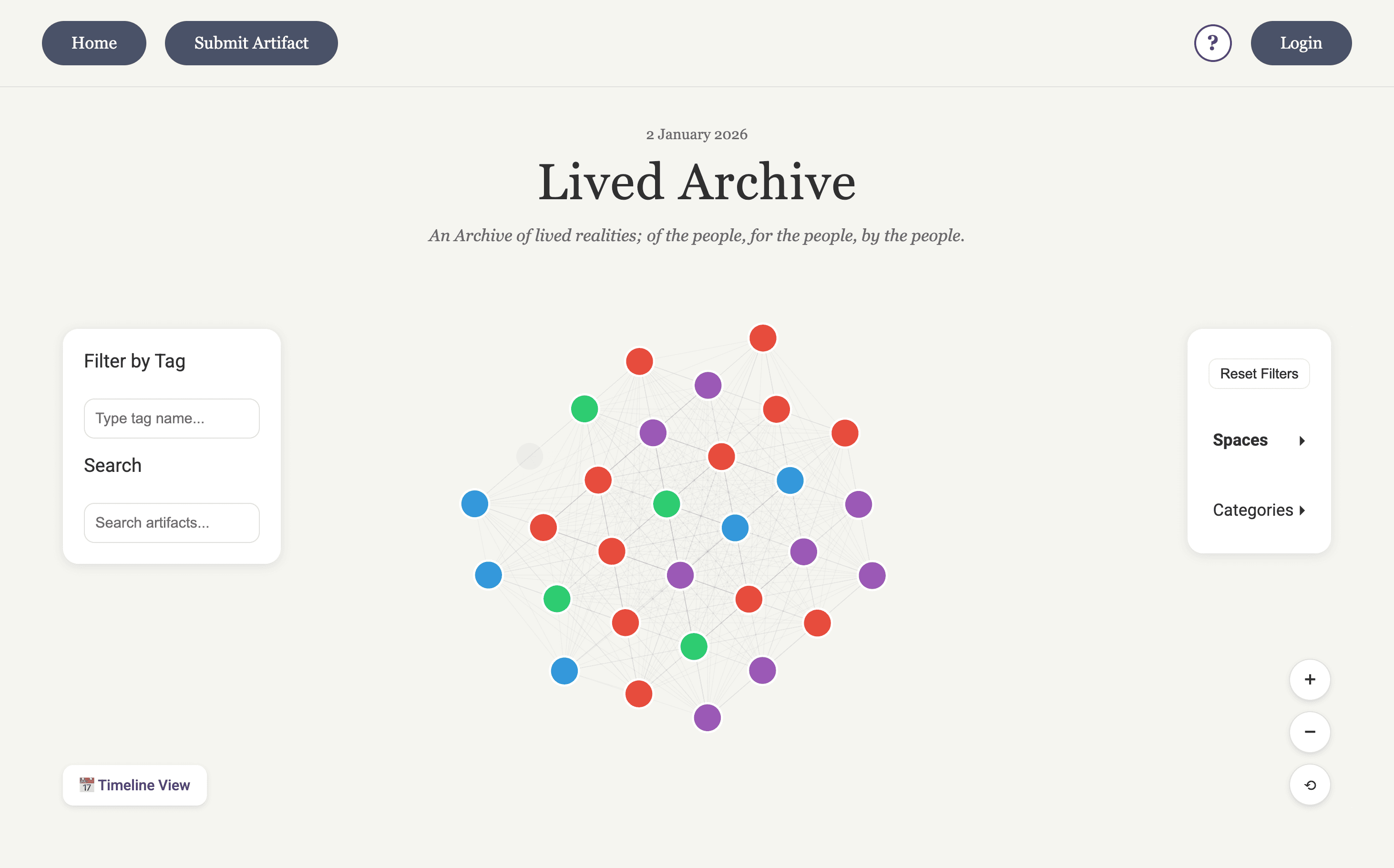
Click on the
to learn the function
Click on the
to learn the function
here are the phases the platform went through
here are the phases the platform went through
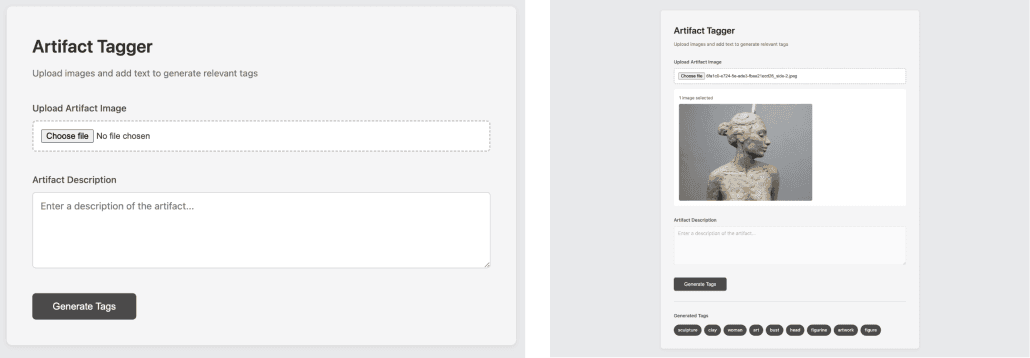
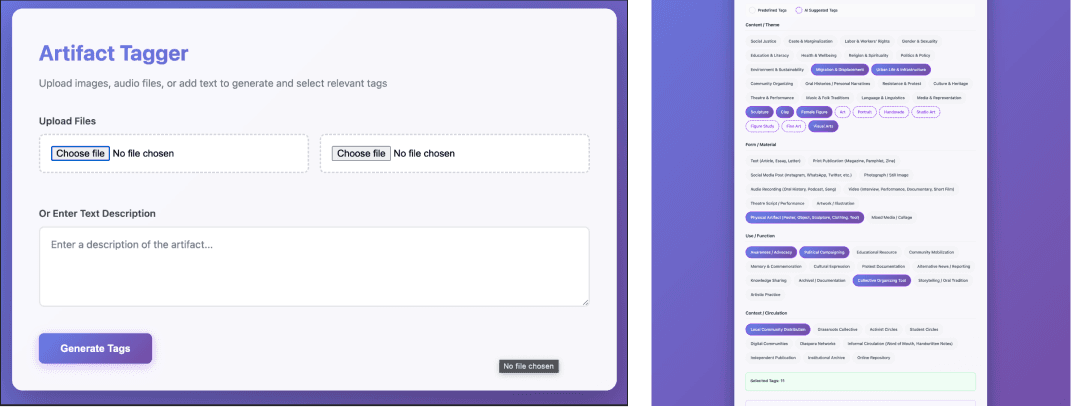
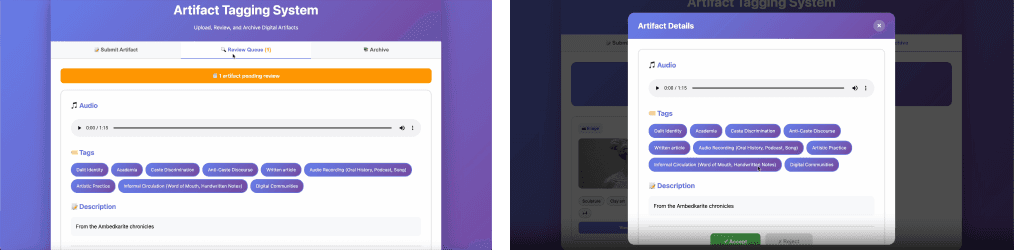
Initial Designs
At the beginning I was looking at this archive like any other. It had unique functionalities that mirrored the community, but not designs that did the same.
Thats when I decided to break from the norm, and create an archive that was true to the way the community works.
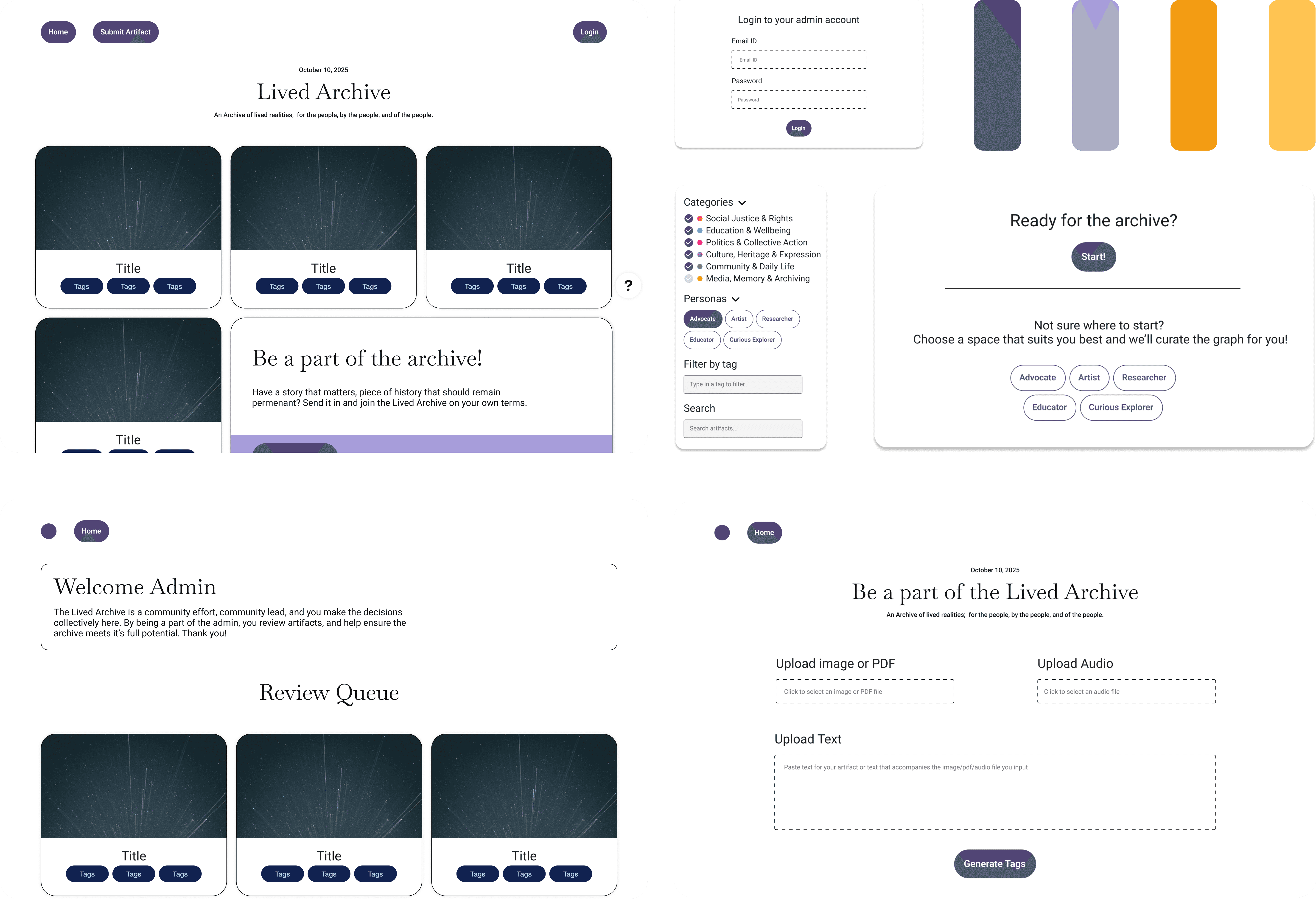
Community Consultations - Round 1

Is there a way to automate the way archive things further by allowing people to submit archives from whatsapp or instagram chat. Like via a chat bot? So it’s easier access
Can the archive have more sections - based on categories or timelines
Reject feature - I wouldn’t want to know if another admin has rejected it before, it would create a bias
Authentication should only be required if a user is submitting content, not consuming
Review feature - Should it be based on a single admin’s review notes of more than one?
I like that you’re simply facilitating the process, you’re very aware of your positionality and who get’s the rights to decide what happens with this archive and I think that’s very nice!
Is there a way to automate the way archive things further by allowing people to submit archives from whatsapp or instagram chat. Like via a chat bot? So it’s easier access
Authentication should only be required if a user is submitting content, not consuming
Can the archive have more sections - based on categories or timelines
Review feature - Should it be based on a single admin’s review notes of more than one?
Reject feature - I wouldn’t want to know if another admin has rejected it before, it would create a bias
I like that you’re simply facilitating the process, you’re very aware of your positionality and who get’s the rights to decide what happens with this archive and I think that’s very nice!
Reflective Designs

Network Graph
Network Graph
Network Graph

Chord Diagram
Chord Diagram
Chord Diagram

Edge Bundling
Edge Bundling
Edge Bundling
Network Graph
Network Graph
Network Graph
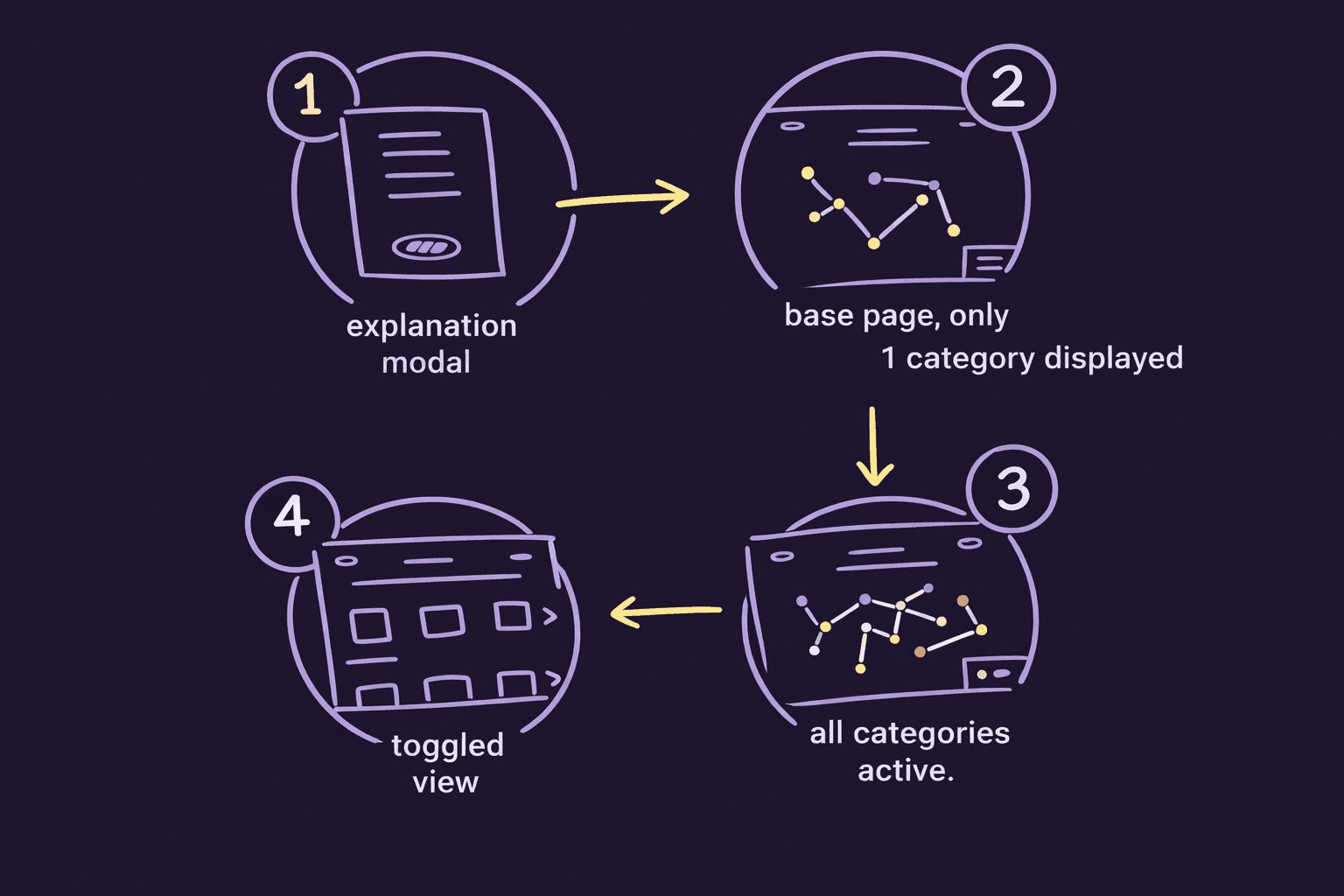
But why a network graph?
The community itself works based on networks, interconnections, and a sense of reliability with each other - the interactive view would be a
reflection of sorts of their real life
connections
The actual intersections and overlaps seen could also help reveal important patterns, aid in research (if that is what someone is using the archive for), and highlight shared realities.
Most archives are perceived as boring, monotonous and extensively hard to use. If this archive is not fitting into the “archival process” to start with, why should it follow archival presentation practices?
Supports nonlinear, visitor-driven exploration. Visitors could begin anywhere and follow paths, discovering new, relevant materials along organic connections, reflecting lived realities over rigid
hierarchies.
The community itself works based on networks, interconnections, and a sense of reliability with each other - the interactive view would be a
reflection of sorts of their real life
connections
Most archives are perceived as boring, monotonous and extensively hard to use. If this archive is not fitting into the “archival process” to start with, why should it follow archival presentation practices?
The actual intersections and overlaps seen could also help reveal important patterns, aid in research (if that is what someone is using the archive for), and highlight shared realities.
Supports nonlinear, visitor-driven exploration. Visitors could begin anywhere and follow paths, discovering new, relevant materials along organic connections, reflecting lived realities over rigid
hierarchies.
Community Consultations - Round 2
Within the admin, there should be this
amount of gender minorities and religious
minorities. So that it is diverse enough within Dalit community.
What will be the binding values and then the mission statement and responsibilities and everything? Who is holding admin responsible?
I really like this. When I opened it, it seemed very interesting and interactive. I could see different red and blue colors, and what it does is visually nice and easy to navigate.
You can draft a constitution for the
admin, and also the platform by having a
workshop with the members to decide its
key elements together
Within the admin, there should be this
amount of gender minorities and religious
minorities. So that it is diverse enough within Dalit community.
I really like this. When I opened it, it seemed very interesting and interactive. I could see different red and blue colors, and what it does is visually nice and easy to navigate.
What will be the binding values and then the mission statement and responsibilities and everything? Who is holding admin responsible?
You can draft a constitution for the
admin, and also the platform by having a
workshop with the members to decide its
key elements together
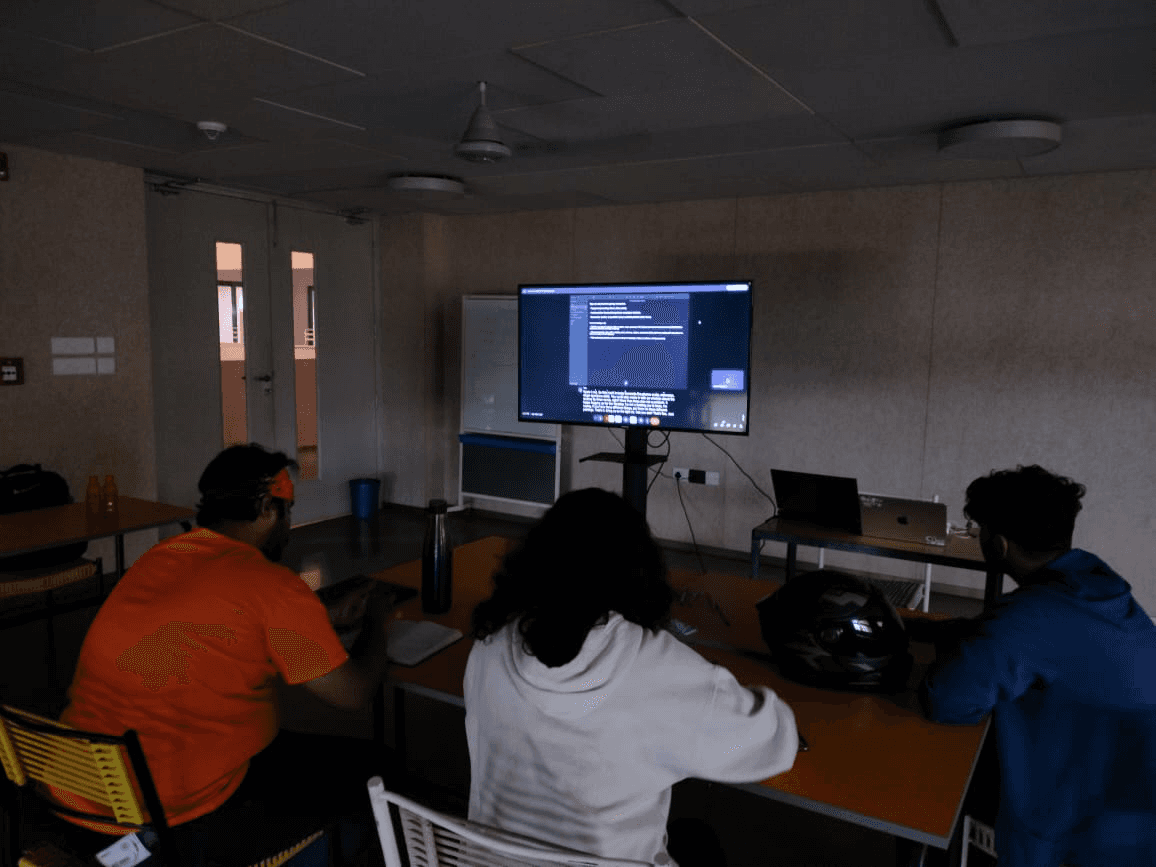
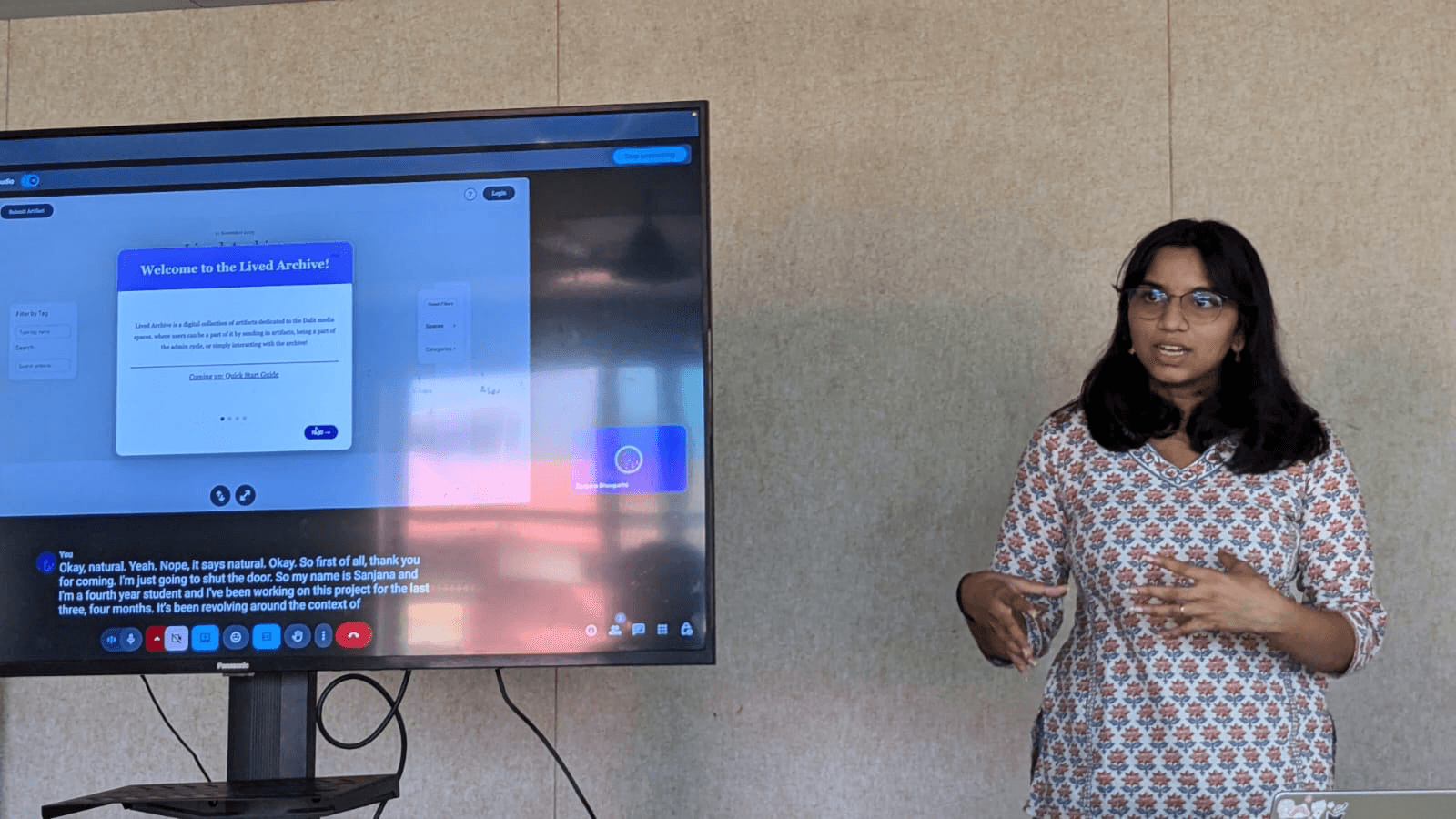
Participatory Speculative Workshop
Participatory Speculative Workshop
The workshop was hosted to see how different members of society would interact with the platform. Dalit’s would not be the only ones who entered the space, so how then would someone with varied lived experiences take in the artifacts, and the need for a space like this. Another main aspect we delved into was how differently “perceived ethics” and “needed ethics” were articulated and perceived by these participants.
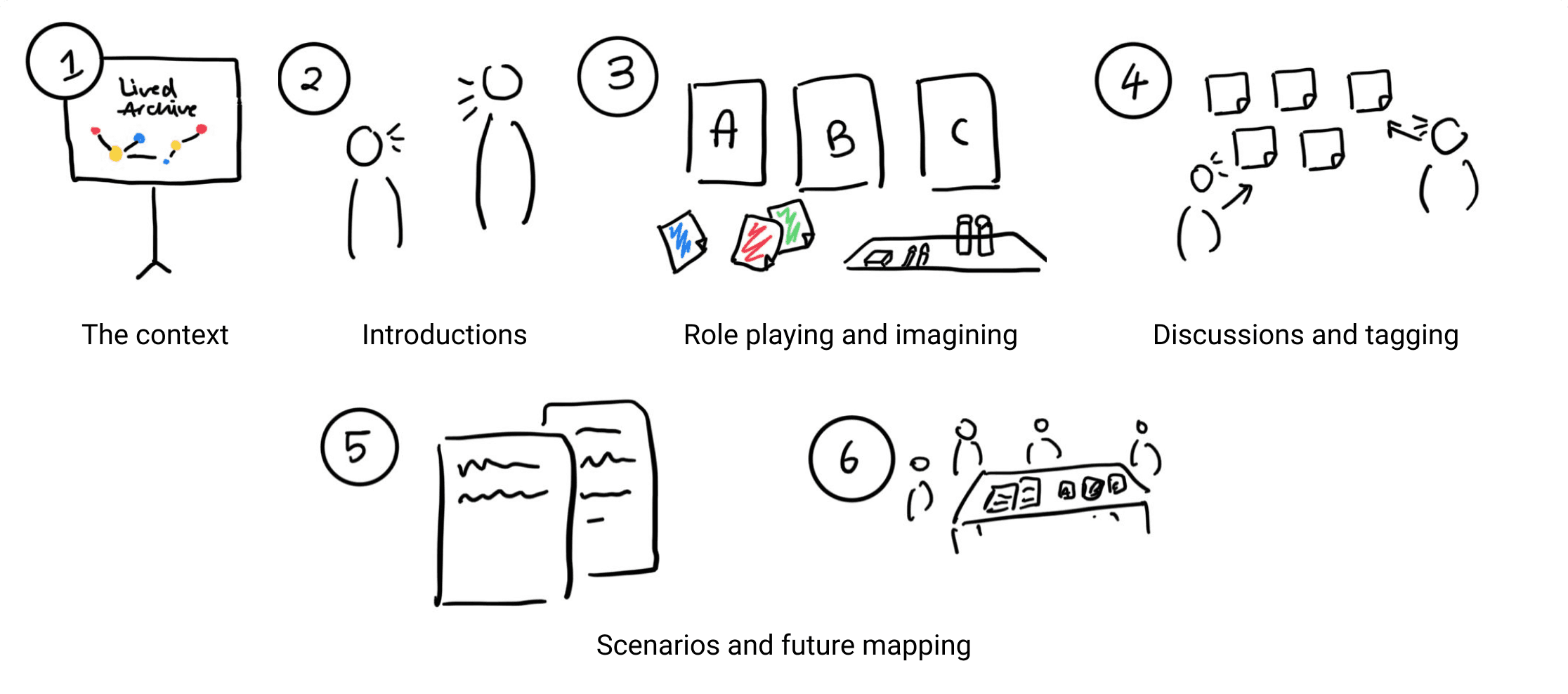
Try the speculation yourself!
Download the handbook and follow along.
Try the speculation yourself!
Download the handbook and follow along.
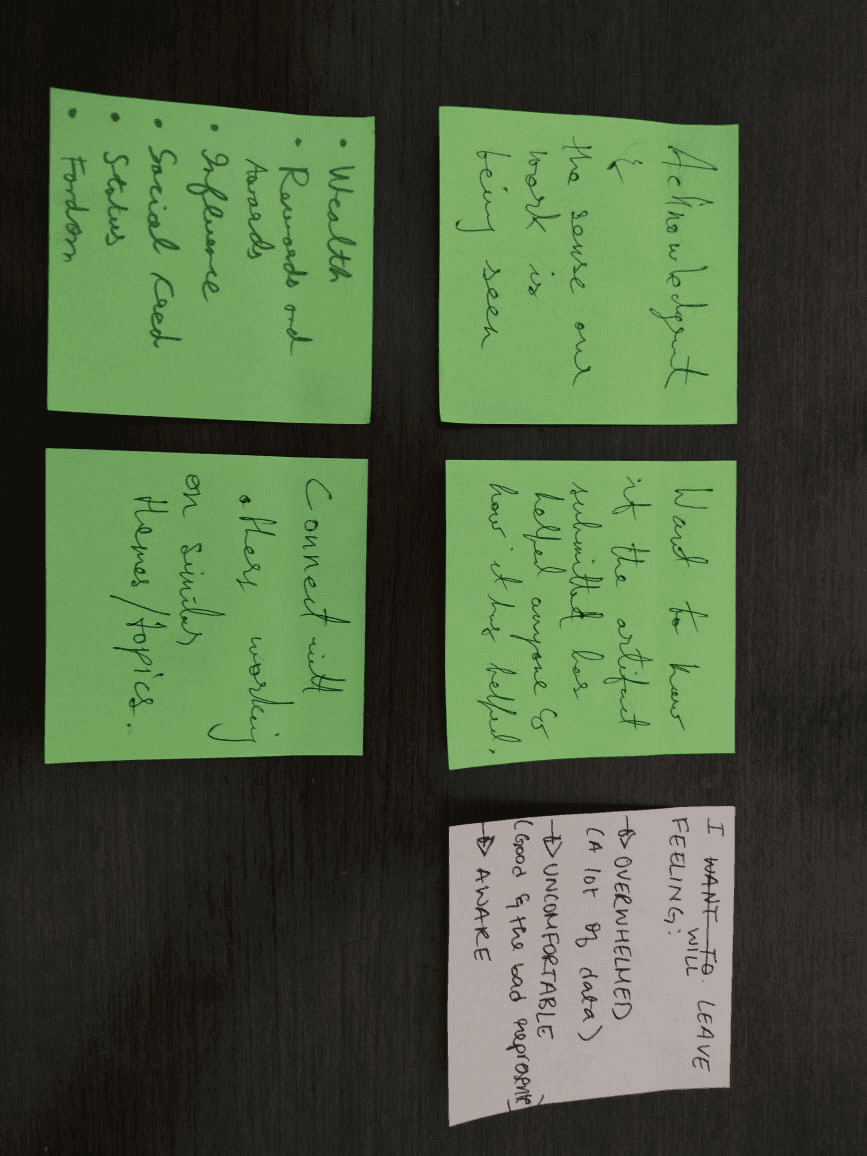
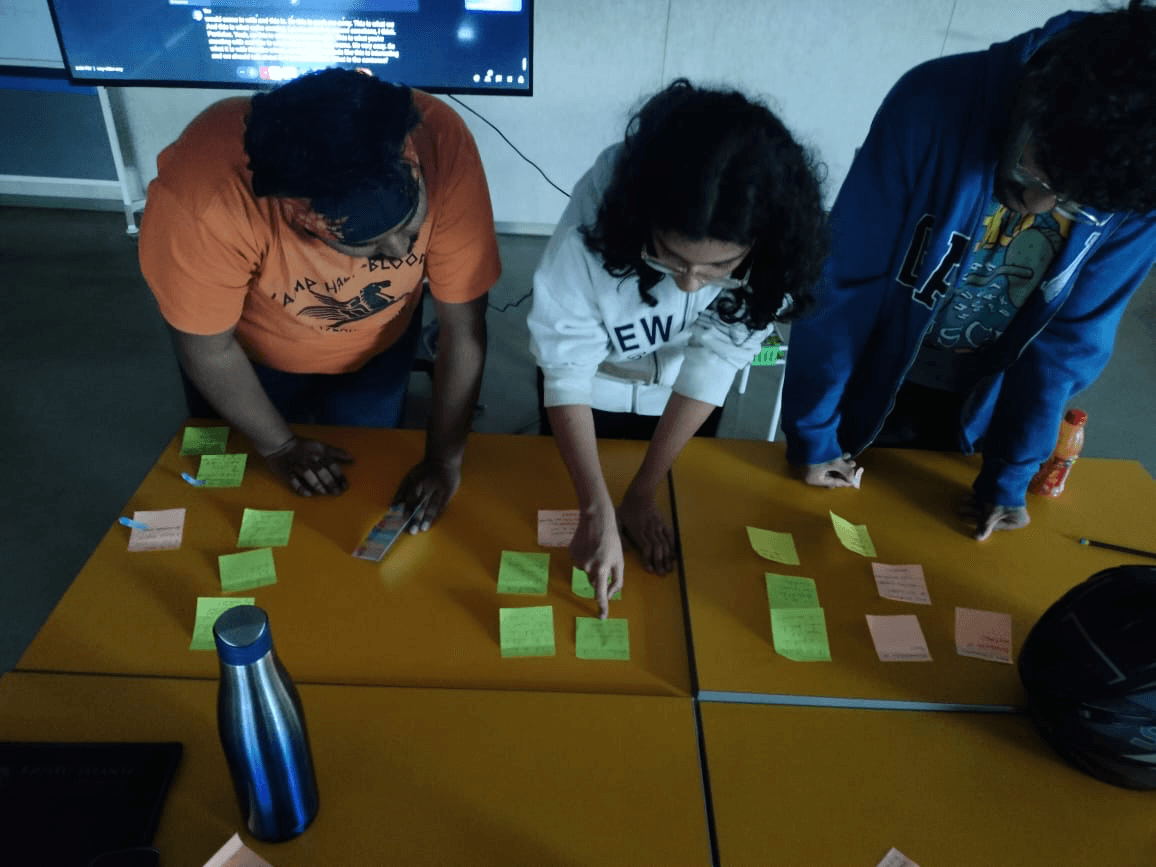
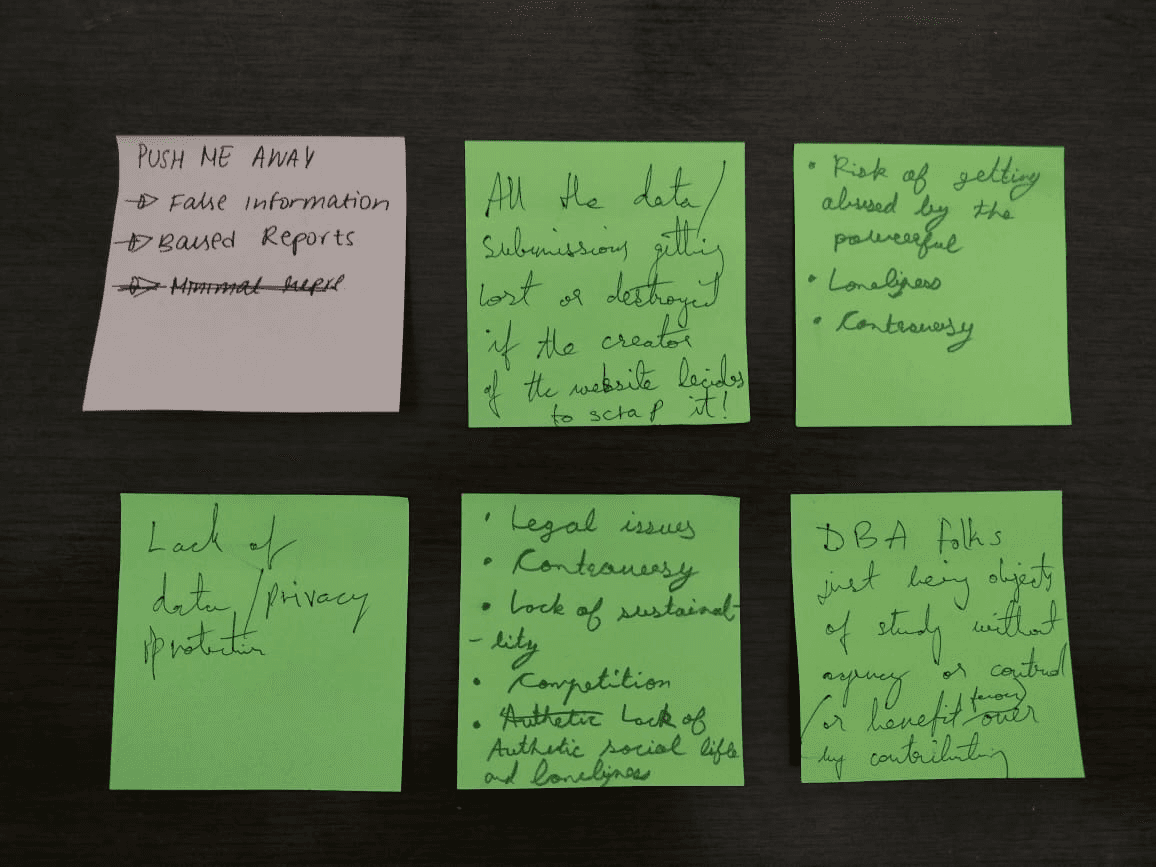
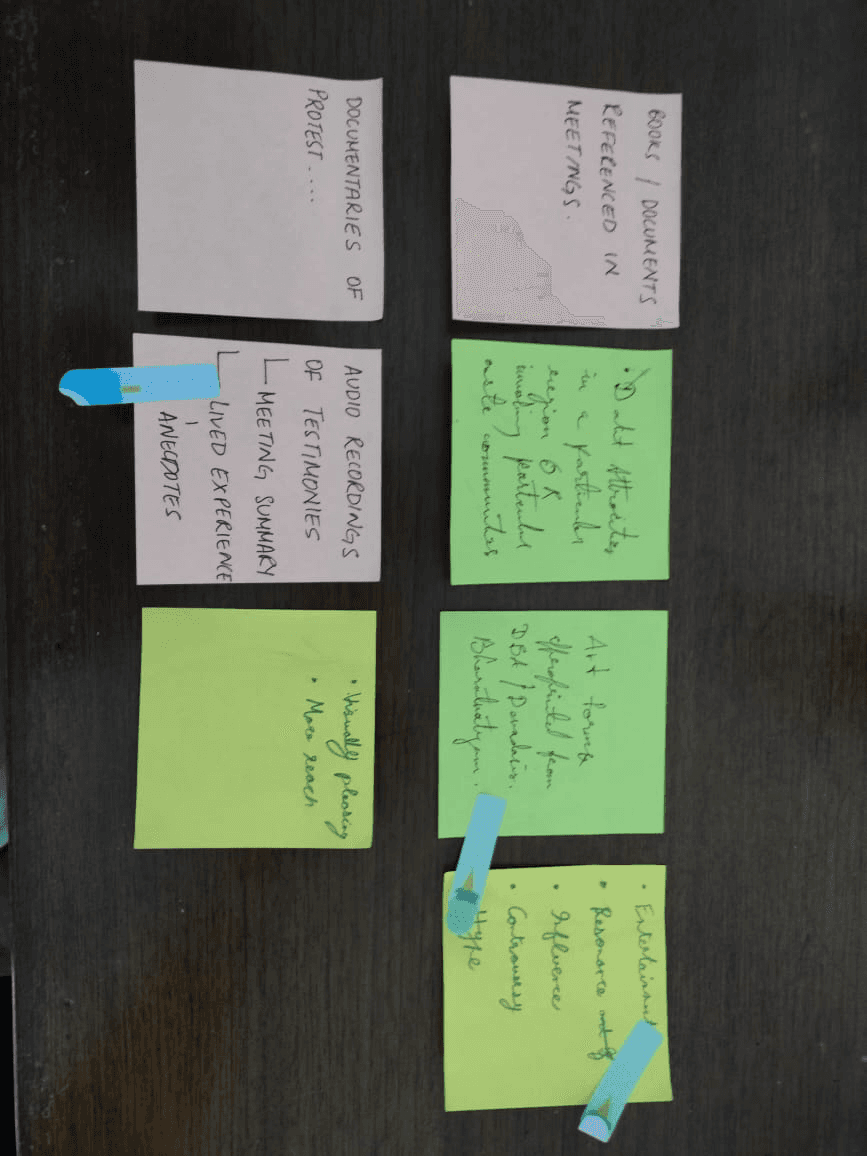
Finally they were asked…
In a world with NO LIMITS, all the money, tech, storage was now at you disposal, what would you imagine the archive being in this space?
Finally they were asked…
In a world with NO LIMITS, all the money, tech, storage was now at you disposal, what would you imagine the archive being in this space?
Like Wikipedia, but more local & multimedia; a database of cultural style & political spaces
A museum that is offline, which is connected to the huge database
Use this data to influence the way the market works
Invest in tech & media geoposition mapping based on the archive
Give more limelight to this & removing
discriminatory practices
Give more limelight to this & removing
discriminatory practices
Future Scope
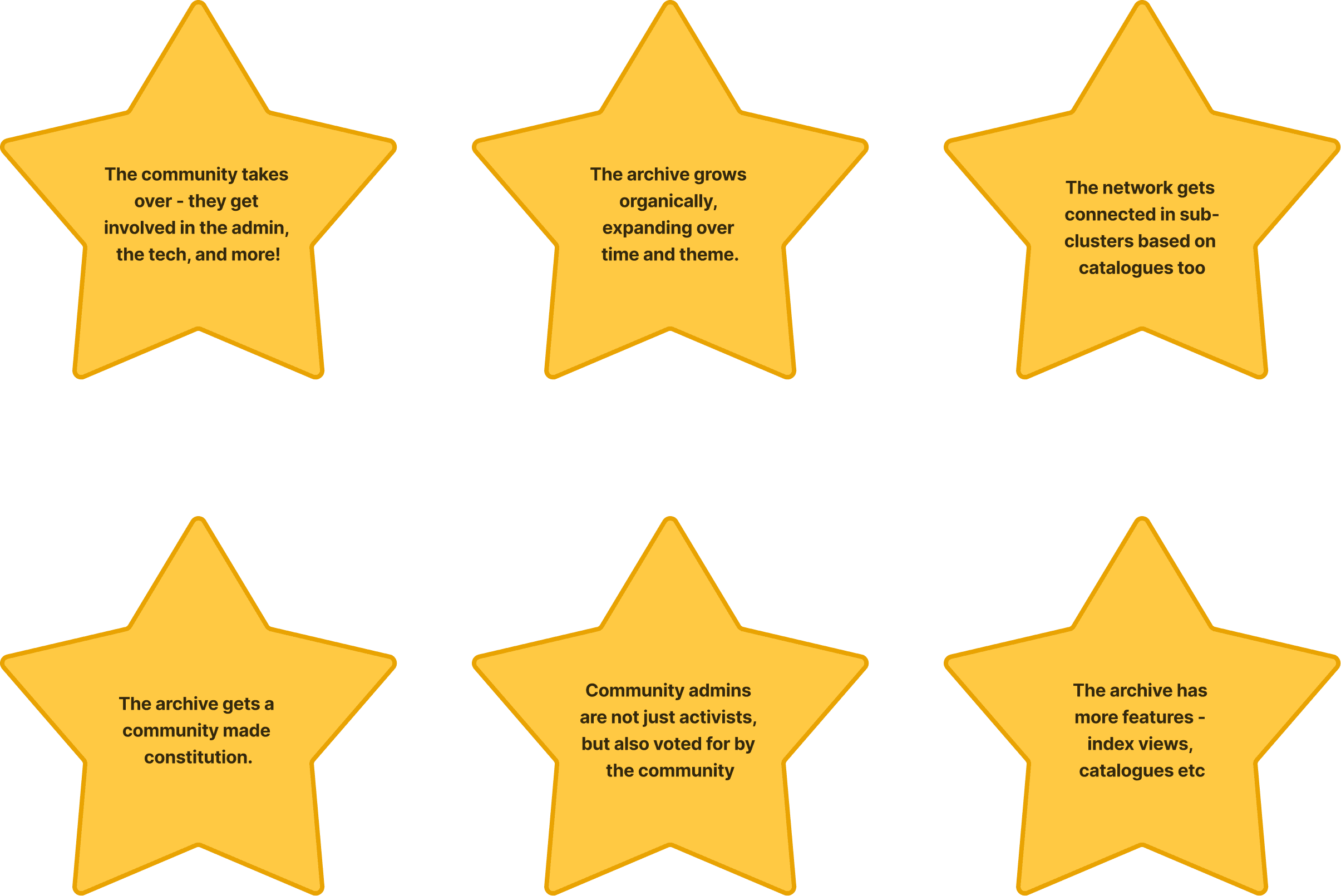
This project taught me that community is key, participatory approach means treating the community as a part of the project not as "users". Most importantly, a space like this does not follow the rules, you don't need marketing, you need trust.
This project taught me that community is key, participatory approach means treating the community as a part of the project not as "users". Most importantly, a space like this does not follow the rules, you don't need marketing, you need trust.
“In some cases, it is okay if content/work does not reach everyone, let those who are interested seek it out and have access to it ”
“In some cases, it is okay if content/work does not reach everyone, let those who are interested seek it out and have access to it ”
Ishita Shah
Curating for Culture
Ishita Shah
Curating for Culture
Thank you!
Thank you!
Special thanks to the members of Arc.Bangalore (Roy, Vignesh, and Sumit), BeneathATree, Jovie and every community member who was a part of this journey with me. Their patience, knowledge and experiences have shaped this project and helped make it what it is today!
Special thanks to the members of Arc.Bangalore (Roy, Vignesh, and Sumit), BeneathATree, Jovie and every community member who was a part of this journey with me. Their patience, knowledge and experiences have shaped this project and helped make it what it is today!
Like what you saw? Let's work together!

Like what you saw? Let's work together!
Like what you saw? Let's work together!